
Drawing Outside Copyright's Lines
“I would never wish to incorporate this technology into my work at all. I strongly feel that [AI] is an insult to life itself.” —Hayao Miyazaki
Studio Ghibli is a Japanese animation company established in 1985 by artist Hayao Miyazaki. Studio Ghibli crafted a distinguishable artistic style of animation with international appeal. Today, the studio is worth $245 million and maintains strict licensing and film distribution rights throughout North America, Europe, and Asia.
By Eva Russo, James Perez, & Ximena Reyes Torres
read more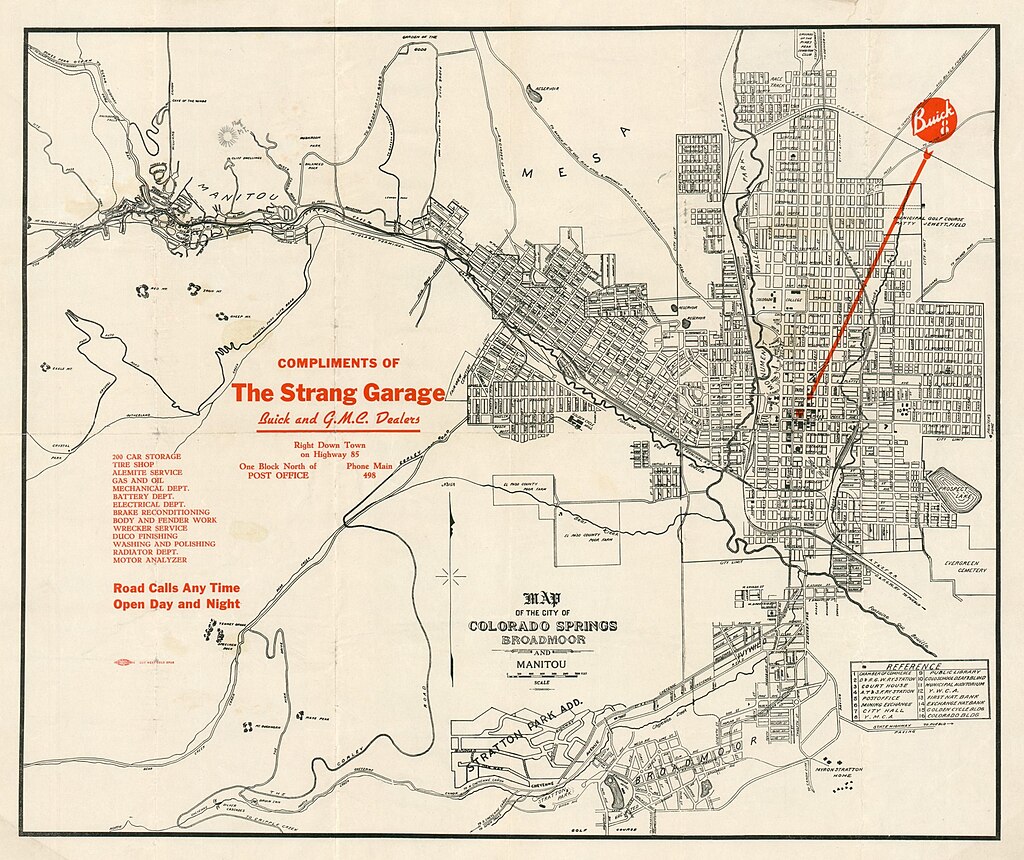
Taking Zoning Law to New Heights
Colorado Springs is renowned for its majestic views of the Pikes Peak mountain, overlooking the entire Eastern plains of Colorado. When viewing a map of Colorado Springs, it is evident that the city has grown naturally in accordance with each property getting to have a stellar view of this crown jewel in the Rockies. What makes the map particularly unique is its vertical sprawl—from North to South—each neighborhood seems almost curated towards this particular peak. However, new developments (and developers) have arrived in “the Springs” to attempt to ameliorate the local ongoing housing crisis. This proposed development (dubbed “One Vela”) would place a 27-story skyscraper right in the heart of downtown, a record-breaking 11 stories taller than the current tallest building in the city. Many Springs locals claim this is against the centuries long ban on tall buildings in the city—but is this a fact or fiction?
By Amanda Li & William Kessinger
read more
Giving a Voice to Publicity Rights
With the emergence of generative AI in entertainment media, the right of publicity in relation to actors’ likeness is becoming increasingly prevalent. Modifying voices using generative AI (“genAI”) has become a serious concern amongst voice actors, and it is important to examine whether voices are a part of identity protected by public use law.
By Sara Galloway & Meghna Satheesh
read more
Law of the Henhouse
In 2010, my family had new neighbors move into the house behind us—their backyard shared a fence with ours. Our neighborhood allowed for most houses to have a backyard and a substantial amount of space, but not an excessive amount. For example, I could see the yards of my neighbors on all sides from my yard. For a few months, there was no change. However, after about six months, they got chickens. Not one or two, but an entire henhouse of chickens and a rooster. Not only did the rooster wake the neighborhood up with its crowing at dawn, but the chickens attracted the ever-growing fox population in my Pennsylvania suburb.
By Abbey Haas
read more
Trauma, Inequality, and Nuisance Law
In Randle v. City of Tulsa, three remaining survivors of the Tulsa Race Massacre filed suit against the City of Tulsa seeking an abatement of public nuisance caused by the City’s unreasonable, unwarranted, and unlawful acts and omissions stemming from events that transpired in 1921. In 1997, the Oklahoma Legislature passed the House Joint Resolution 1035, which created the 1921 Tulsa Race Riot Commission. The Commission was tasked with establishing a historical account of the racial violence that occurred in Tulsa’s Greenwood community from May 31 to June 1, 1921—events now known as the Tulsa Race Massacre. During this period, a white mob caused devastating destruction, killing an estimated 100 to 300 people, most of whom were African American, and destroying over 1,200 homes, schools, churches, and businesses. This violence continued and state and local authorities worsened the situation by arresting and detaining Black residents. Efforts by Greenwood residents to rebuild were actively obstructed by local officials who sought to prevent the reconstruction by amending the Tulsa building code to require costly fireproof materials. Thus, rebuilding became financially impossible for many.
By Ariana Rokneddini & Ashley Rooney
read more
Living in a Princess Castle
Who has the right to use a princess castle located in one’s backyard for their child, but used by another for housing? In the popular sitcom Modern Family, Mitchell and Cameron live in a two-unit apartment with their daughter Lily. The family lives in the lower unit with private access to backyard amenities, including a princess castle they built for their daughter and a hot tub. One day, they saw a stranger in their hot tub and confronted him to leave. The stranger introduced himself as Barry, informing the two that he had just moved in and thought he had access to the hot tub. Without asking any additional questions, the two welcomed Barry with open arms under their own belief that he moved in upstairs. They continuously asked him to join them for dinners and to consistently hang out in their home for Mitchell and Cameron’s benefit.
By Alexia Ferraro & Rachel Freedman
read more
Of Black Pearls and Lost Jewels
Who really owns the legendary pirate ship known as the Black Pearl? This dispute centers on the ownership of the infamous pirate ship. Originally known as the Wicked Wench, the vessel was owned by the East India Trading Company (EITC) and captained by Jack Sparrow. After Sparrow disobeyed orders and freed enslaved individuals, the Company, led by Cutler Beckett, had the ship destroyed. Years later, Sparrow reclaimed the wreck by making an agreement with Davy Jones, who raised the ship from the sea. Sparrow renamed it the Black Pearl, transformed it, and became an infamous pirate captain. The EITC never reclaimed or repaired the wreck, and it was lost to the sea.
By Kendall Costanzo
read more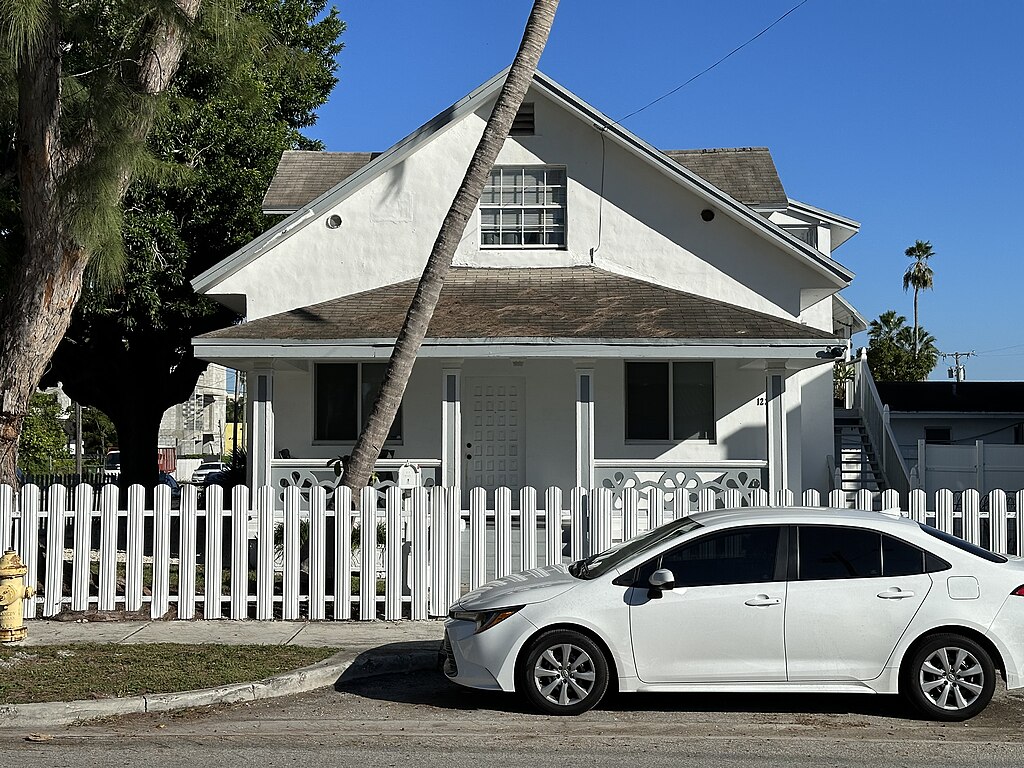
A Florida Fake Lease Fiasco
Imagine finding out that a person suddenly gains ownership of your property. This would send any person into a frenzy. But that is exactly what the doctrine of Adverse Possession allows. While it doesn’t frequently make headlines, Adverse Possession—sometimes referred to as “Squatter’s Rights”—is a growing concern among property owners nationwide. It essentially enables a non-owner to gain title to land or personal property after the owner fails to recover possession.
By Rose Soltani
read more
Capturing the Ocean Floor
A Canadian company, The Metals Company (TMC), recently applied for U.S. government approval to mine the deep seabed. Specifically, parts of the Pacific Ocean outside any country’s borders. Instead of going through the usual international process run by the United Nations International Seabed Authority, TMC is asking for a license under U.S. law called the Deep Seabed Hard Mineral Resources Act (DSHMRA), which allows U.S. companies to explore the ocean floors.
By Stephany Corzantes
read more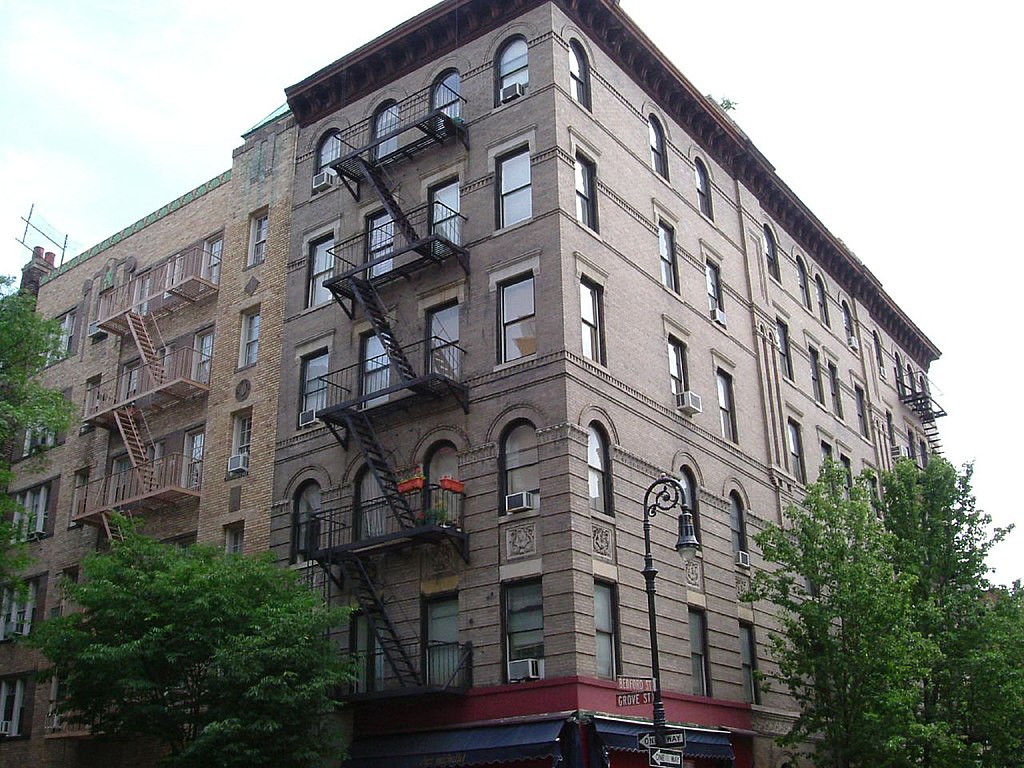
The One with All the Hostility
The sitcom television show Friends, follows a group of friends in their twenties living in New York City. Much of the show’s comedy stems from the group’s struggle to make money in NYC. A main character, Monica, was trying to make it as a chef, going through a variety of low paying jobs, like waitressing. However, much of the show is filmed in her large, two-bedroom, West Village apartment. It begs the question, how can a twenty-something waitress in NYC afford a huge West Village apartment? The answer was given when her landlord, Treeger, threatened to evict Monica because she was illegally subletting the apartment from her grandmother to keep a rent-controlled price. Monica had lived there for five years at this point and because she was never allowed to live in the apartment, was a trespasser. However, when Joey taught Treeger to ballroom dance, he let her continue to live there for over ten years. Does Monica have a claim for adverse possession?
By Alexa Gomez
read more