
Bad Neighbors and Burnt Bedbugs
In 2019, a single-family home located at the entrance of my suburban neighborhood was bought to be rented to families looking to live in the county’s best school district. Previously inhabited by a quiet couple who worked hard to keep their yard presentable, the home was now victim to a slew of families moving in and out on a yearly basis. The third rental tenant to occupy the home in 2021 made it immediately evident that yard upkeep was not one of their priorities. Three months into their rental period, the tenants allegedly experienced a bedbug infestation, prompting them to burn their mattresses in their backyard. Placing them only a few feet from the home, they doused the mattresses in gasoline and watched them, along with the grass and the back of the house, burst into flames.
By Zoe Tembo
read more
No Blocking the Beach Trail
In many Massachusetts coastal communities, informal beach access paths have existed for generations, reflecting earlier norms of shared land use, particularly in areas influenced by Indigenous practices and early colonial norms. Historically, the custom was to allow the community uncontested access to the shoreline through these paths, as such use was not considered a problem. While this custom still exists in part today, it is becoming increasingly rare, and disputes over property interests in the pre-existing beach access trails are becoming increasingly common.
By Nick Graham
read more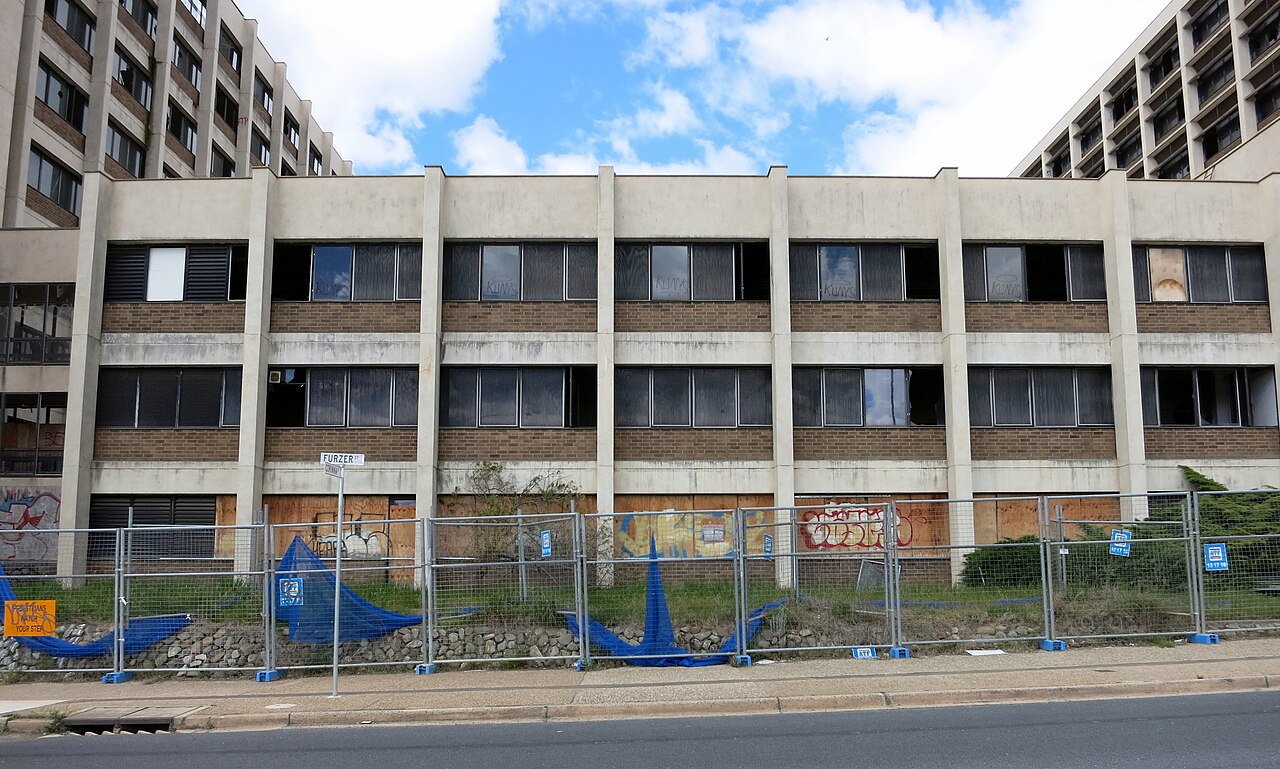
The Costs of Disrepair
For nearly twenty years, an abandoned office building and adjacent retail property sat at a heavily trafficked intersection in Northern Virginia. The buildings were owned by an absentee landlord who had moved to New York and failed to maintain the property. Over time, the structures fell into severe disrepair: windows were broken, birds nested inside leaving droppings throughout the building, walls were covered in spray paint, fixtures had been removed, and the property suffered from leaks, infestations, and other deterioration. Homeless individuals frequently occupied the space, further contributing to the unsafe and unsightly condition.
By Alena Makheja
read more
Easements All in a Row
In my childhood house, there was a pathway that ran through the neighbor’s backyard, continued through our backyard, and ended in the communal alley at the end of our row of houses. Issues often arose over the communal uses of these pathways to bring items out to the alley, requiring that neighbors trek through each other’s backyards. These issues most often resulted from discontent over the lack of privacy in one’s own backyard when neighbors traipse through, especially during the summer months when people are more active outside.
By Shannon Ayres
read more
Bank Error in Your Favor, Collect $120,000?
In 2019, a couple in Pennsylvania discovered that their bank accidentally deposited $120,000 into their account. A BB&T Bank teller entered the wrong account number when a customer in Georgia made the deposit. When the customer contacted the bank to ask about the missing deposit, the money was found to have gone into the Williamses’ joint account. Upon discovery of their sudden windfall, the couple proceeded to spend the surprise money on an SUV, a camper, two four wheelers and a car trailer, instead of contacting the bank to ask about the situation.
By Katie DeGregory
read more
Good-Faith Goldendoodle
In early February, an adorable two-year-old goldendoodle was left at the airport by its owner and subsequently adopted by one of the officers who found him. The owner arrived at the airport with her goldendoodle, now named JetBlue, to take a flight but was unable to bring JetBlue because he was not properly registered. Due to the inconvenience, the owner left JetBlue behind and took the flight. Officer Black was one of the original officers to find JetBlue at the airport. The police cited the owner for abandoning JetBlue and then brought him to the shelter. The owner did not reclaim JetBlue in the ten-day recovery period offered to owners.
By Charlie Germanos
read more
Skorting the Law
Dupe culture has challenged brands to grapple with how they can protect their designs. In 2013, brands began marketing their products to consumers on social media sites like TikTok and Instagram. Fast-fashion retailers noticed the gap between consumers who desired to purchase trending products but could not afford them and began replicating popular designs and selling them for cheaper prices.
By Miheret Hasenu
read more
A Suspicious Sublease
I once had a landlord in Los Angeles who rented out rooms in his house for about $900, which is ridiculously cheap for the city. Unfortunately, the landlord turned out to be more of a slumlord. One time, he left tomatoes on the counter and let them mold, leaving fruit flies all over the house. He also did not let us use the A/C, so the house would get to around 85°F in the summer. The air quality was so bad that I was hospitalized due to my asthma. I never thought I could have a crazier housing situation…boy was I wrong.
By Josie L. Minjiao
read more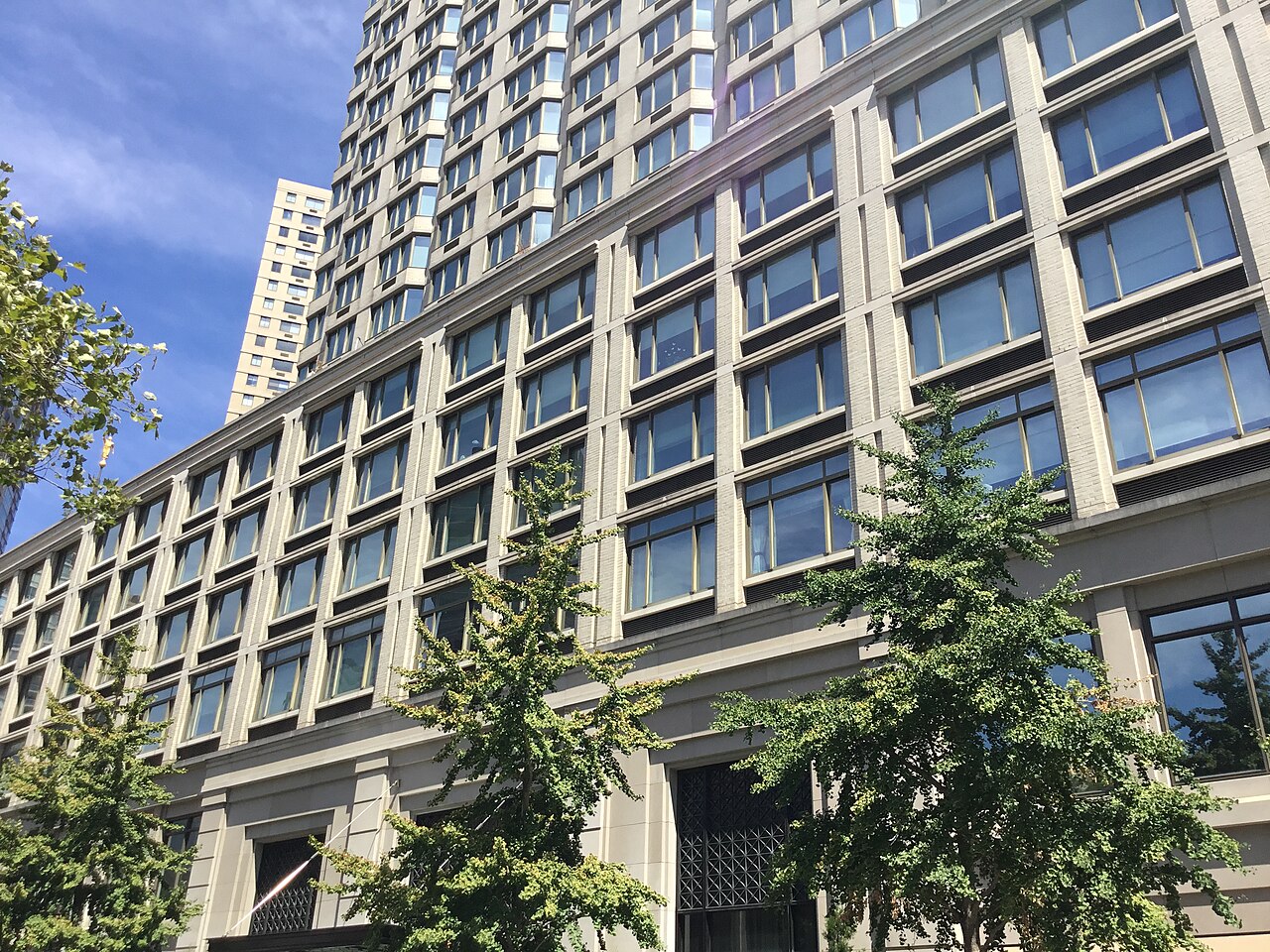
A Life of Luxury It Wasn’t
Have you ever rented an apartment unit in college or in the city? If so, you might recall a time when you encountered a noisy neighbor. Quick-build luxury apartments often breed noise pollution because management companies will sacrifice high quality building material for cheap alternatives. The result is disruptive noise, frustrated tenants, and deceptive leasing agents looking to sell units quickly.
By Rachel S. Dadoo
read more
Takings of Virtual Places
Is the internet an essential service? If so, should the government regulate internet service prices? This past January, New York Governor Kathy Hochul said that internet access was a “fundamental right” as New York’s Affordable Broadband Act (ABA) went into effect. This law requires that internet service providers (ISPs) in the state provide low-cost internet access to qualifying low-income households. ISPs argued that the ABA would increase demand on their networks and raise their expenditures, while the low state-set prices would not provide them with the necessary money to cover these additional costs. According to these ISPs, this will lower internet speeds for all state residents, regardless of whether they have internet access through the ABA or under an ordinary internet plan. A California legislator recently introduced a similar bill in her state. She argued that families need to access the internet for education, telehealth, employment opportunities, and more.
By Elianne Sato Morinigo
read more