Making Tenant Rights Real with a “Civil Gideon”
By Amanda Scott Daigle
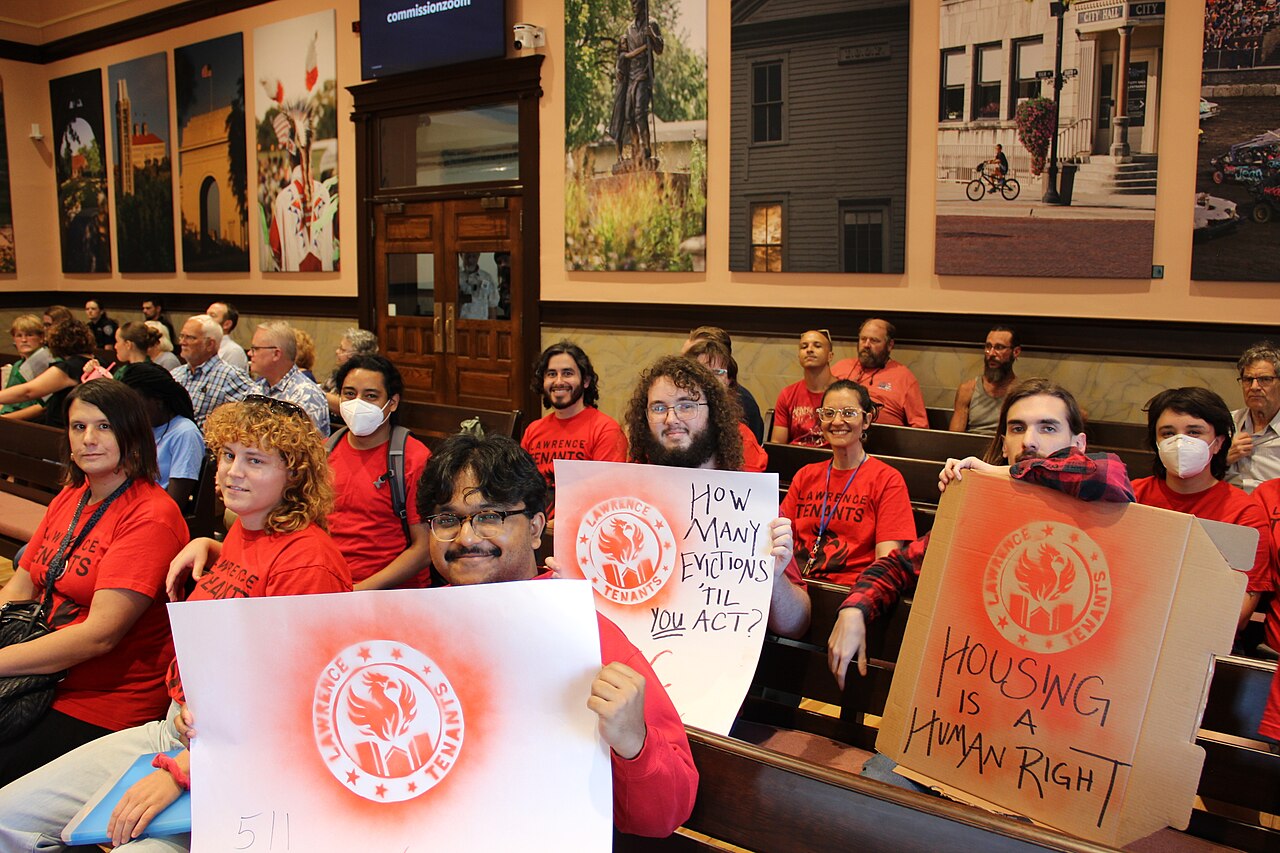
Every year, thousands of tenants appear in housing court without legal representation. For people facing eviction, a single hearing can determine whether they keep their home or face homelessness. The experience of one Maryland tenant, Latashia Pettiford, illustrates how access to counsel can determine whether property rights exist only on paper or actually can be enforced in practice.

Is Scraping Copying?
By Karen Lu
A growing dispute in the digital economy concerns whether companies may restrict the large-scale collection of publicly available online data. As professional networking and business activity increasingly take place on online platforms, firms have begun using automated tools to gather and analyze user-generated information, raising questions about who controls access to and use of that data once it is posted in the public domain.
Equitable Access to Ocean Nodules
By Nathan Konchak
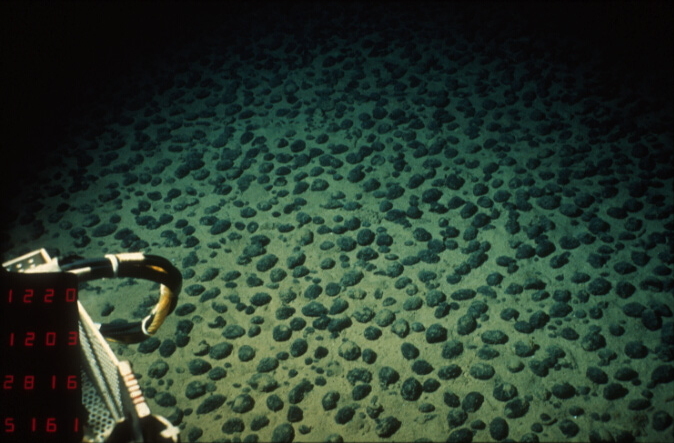
Conflicts over natural resources are inseparable from human history. As technology has advanced, however, competition over certain resources has only grown. Over the past few decades, there has been an ever-increasing need for critical minerals, which are essential for national security as they are crucial for everything from renewable energy to weapons systems. One such source is polymetallic nodules (“nodules”), found on the seabed floor of the Clarion-Clipperton Zone (“CCZ”) in international waters. Competition over who gets the right to extract this resource has intensified in recent years, and while there have been international efforts to create a workable framework, actions taken by countries such as the United States have complicated that process.
What a Fracking Nuisance
By Savannah Johns
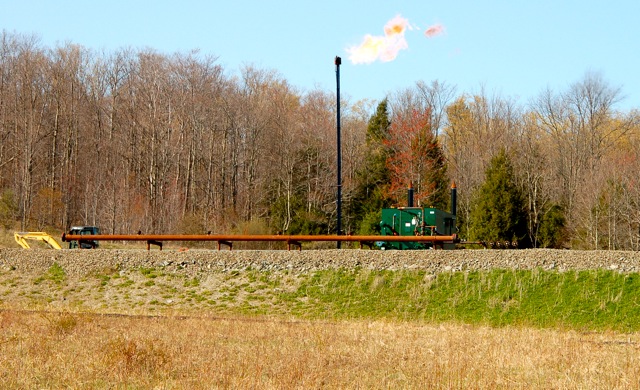
Two percent of earthquakes are linked to hydraulic fracturing operations; these manmade “quakes” have been devastating to homeowners across the country since they induce unsafe conditions and expensive property damage. Fracking is the process of using pressurized water with chemicals to create fractures in underground rock layers to extract oil and gas. Fracking fluid is a combination of water and chemicals used to perform the fracturing, once finished this fracking fluid has to be disposed of and is often injected deep into the earth, which is known to induce “quakes.”
Traditional Lands Versus Modern Gates
By Dominic Brunaccioni
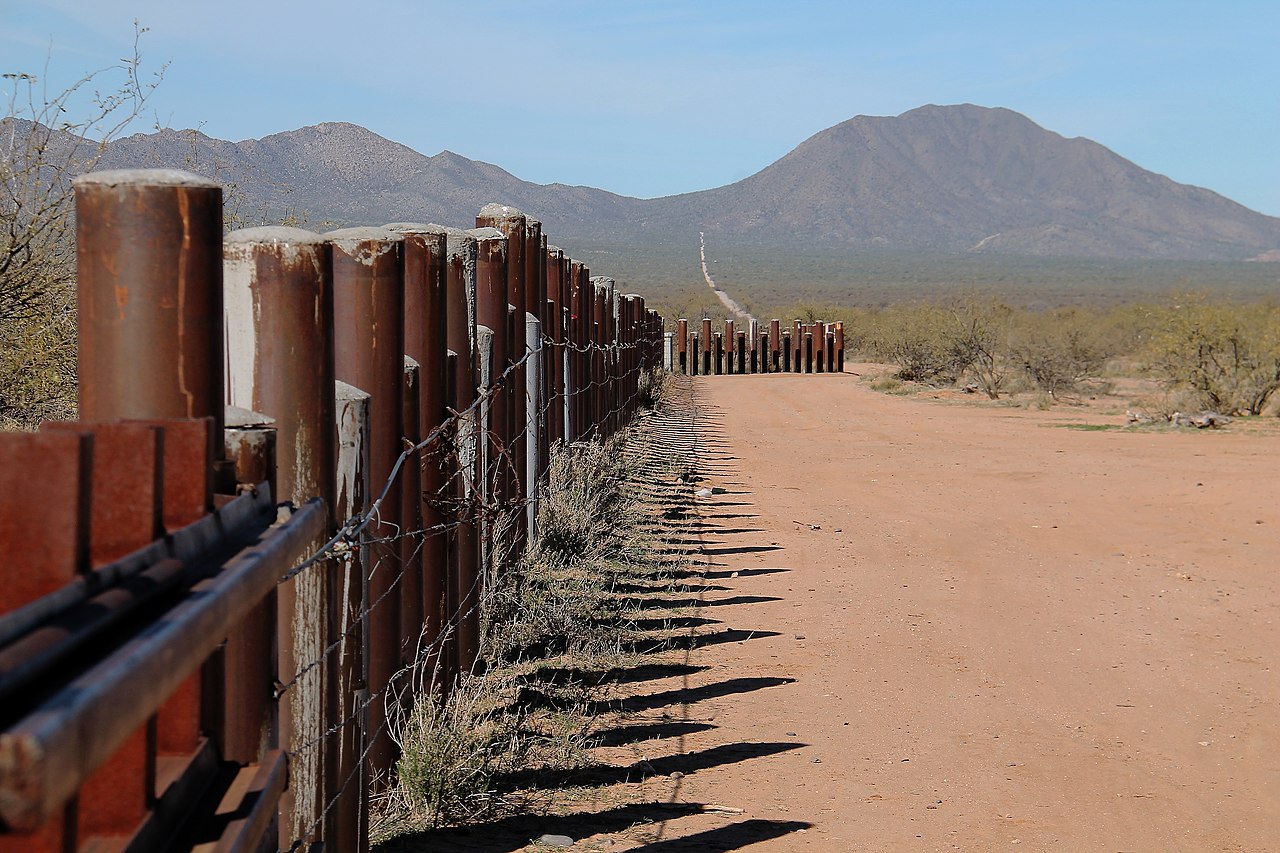
The San Miguel gate, located in the Tohono O’odham Nation (“People of the Desert”; hereafter TON), has allowed tribal members to continue to roam in the lands of the Sonoran Desert that is now divided between the U.S. and Mexico. Passage through San Miguel was for several years not complicated and allowed passage both by foot and by vehicle. The first major closure occurred in late 2016, when a unnamed Mexican private property owner (PPO) built an additional gate and fencing on his own accord and closed passage off via vehicles, allegedly because of private concerns related to drug cartels. TON members brought this issue to the Mexican consulate, whose response was that “[they were] not able to enforce or to directly investigate such matters.” TON members protested the closure, as several family members could no longer visit each other, pilgrimages to sacred sites became difficult to arrange, and access to groceries became restricted. Tribal members are still allowed in by-foot, but opening of the gate is sporadic and has contributed to several adverse effects. Vehicles have continued to be banned since 2016 and CBP enforces this request, assumingly on the private property owner’s behalf.

Animal Crossing? More Like Animal Eviction
By Louise Vermeil
It was a beautiful day in March of 2020, school had been suspended for 2 weeks, and Animal Crossing: New Horizons had just come out on the Nintendo Switch. What I didn’t realize then was that my enjoyment would be short-lived. Fresh on my new island and excited to meet my newest island residents, I was confronted with what I can only describe as the ugliest koala I’ve ever seen. I immediately detested his terrifying smile and annoyingly green fur. He was a beacon of green, and I was constantly afflicted with his presence as I began building my island from the ground up. 14-year-old Louise had a goal for her new tropical paradise, and this marsupial was not a part of it. As Lyman was a tenant on my island, I had little recourse. He caused no disturbances on the island and followed the island’s rules. Despite his annoying singing in the town square and gym-bro-esque home decor, he was seemingly harmless and in good standing financially.
A Clean Fix for a Car Wash Traffic Mess
By Dorothy Miller
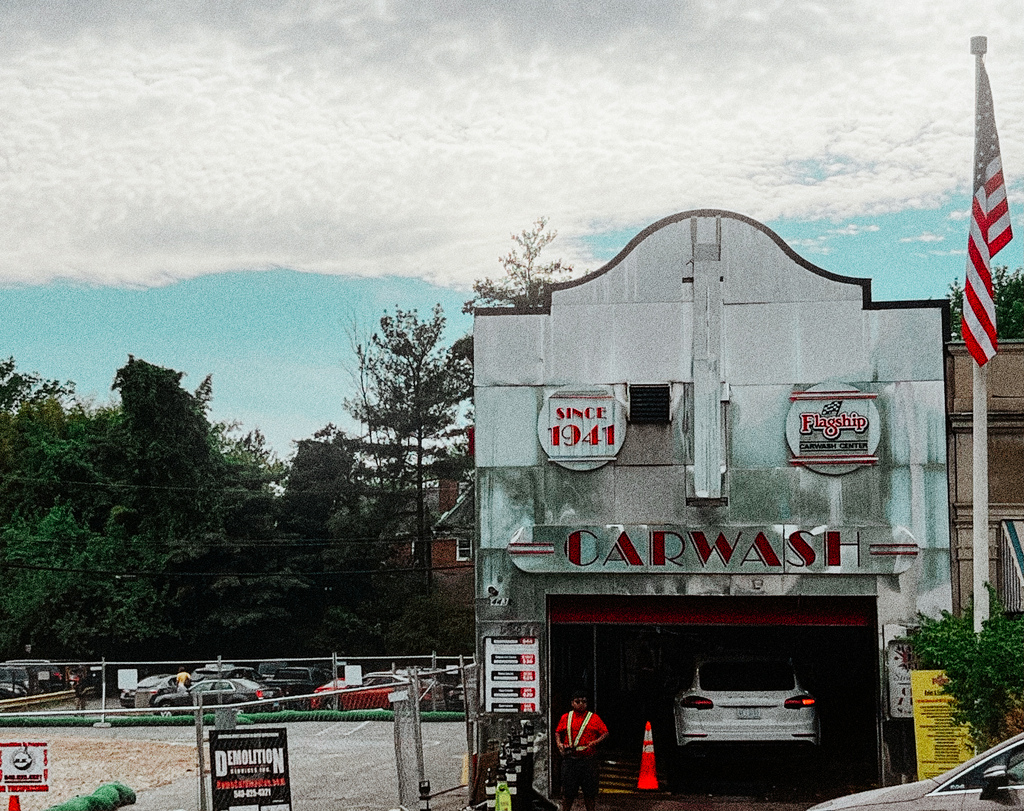
On the corner of Connecticut Avenue and Albemarle Street in the neighborhood of Van Ness, there is a consistent traffic hazard. Flagship Carwash is a thriving local business, amassing a long line of customers waiting through the intersection and down Albemarle Street from 8 a.m. to 8 p.m. almost every day. Drivers who do not know that they have ended up in a carwash line cause congestion, confusion, honking, and excessive noise. The blockage causes dangerous traffic issues and restricts access to the road by the public.
The Litle Train Station That Could
By Samuel Tyroler
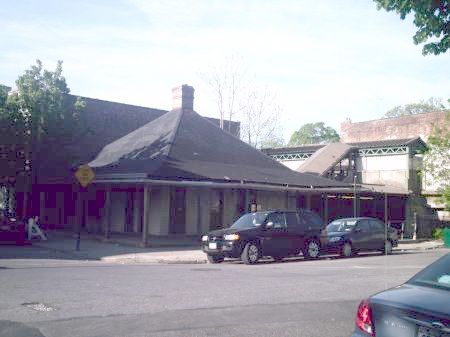
Along Brooklyn’s Q subway line sits a small wooden cottage with a chimney, wooden shingles, and surrounded by antique rocking chairs. This is not a set piece for “Country Living,” but an active subway station which serves the neighborhoods of Midwood and Flatbush. This unique stationhouse, the only one in NYC with wooden shingles, was nearly lost. Its survival owes to its history and a Supreme Court decision defining regulatory takings.

Order in the Courtyard!
By Rebecca Lumelsky
My parents live in a small neighborhood composed of five sets of three adjoining houses. Each trio of houses faces the road, and each house has a courtyard in the back. The courtyards are connected by gates that allow contractors, such as landscapers, and visitors to pass through from one end of the row to the other. The middle courtyard is blocked off from the street on both sides, and there is no alley or road touching the courtyards that would allow another mode of entry other than through the front of the house. Consequently, the neighborhood homeowners’ association (HOA) requires that all connecting gates remain unlocked.
Disappearing Digital Media
By Micah Chandler
Many streaming services offer the option to buy movies or episodes of a television series, but that doesn’t mean that the purchaser now owns the movie or episode forever. Instead, what is being offered is a license, or permission, to view the movie or the episode, which can end if the streaming service itself loses the license to offer the movie to consumers. Is there a way for consumers to keep their access to movies they paid for despite whatever happens to the streaming service’s license to the movie or episode?