
From AM Radio to AI Music
Generative AI has brought a number of gifts and burdens to the world, particularly in the field of intellectual property law. AI has challenged norms about what can be patented, who (or what) can create artwork, what rights of publicity celebrities have to defend themselves regarding AI imitations of their likeness, and where those rights and limits begin and end.
By Allison Guenther & Joseph Rios
read more
Found at Sea
If you come across a floating package in the middle of the ocean, just drifting away, can you claim ownership over it? You might think, “Sure, why not? Finders keepers.” However, it’s hardly that simple as it depends on several underlying factors. For one, there might be competing property interests. The parties here can typically be narrowed down to two key players: the original owner of the goods and the party that finds it. However, in some cases, there may be a third-party interest. This can occur when the first party to retrieve the floating goods unintentionally loses control of it, letting it float away again and a new finder retrieves it.
By Max Abraham
read more
When a Country Sinks into the Sea
Tuvalu’s sinking raises questions about the private property interests of Tuvaluan property owners. Using American property law as a reference point, we can uncover approaches to answer whether Tuvalu’s national status can be preserved under a theory of property.
By Catherine Sagheb
read more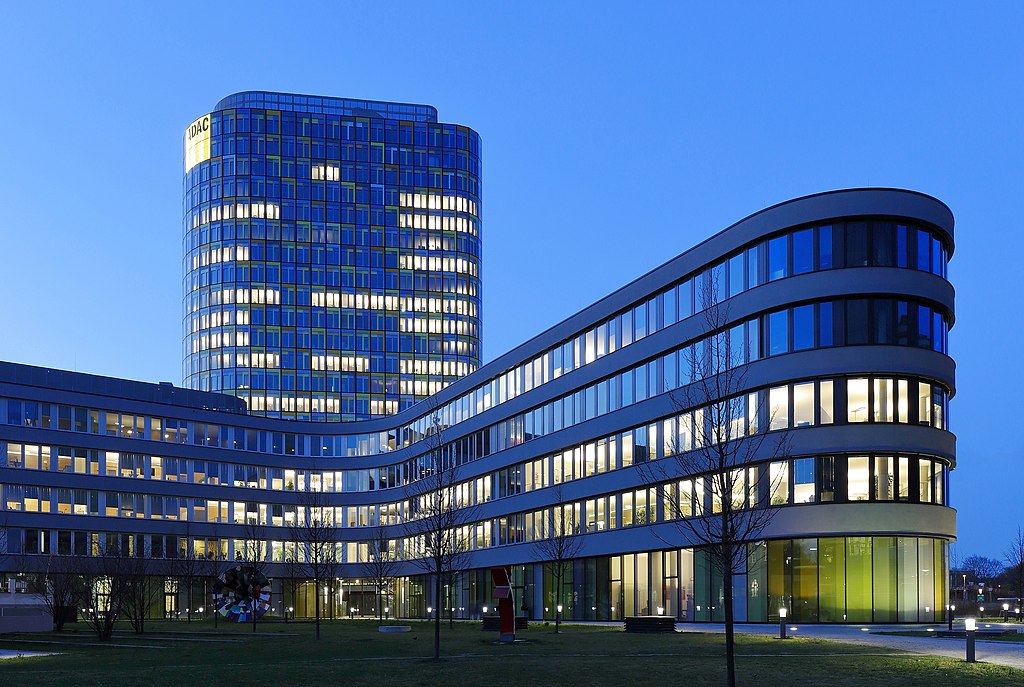
Creative Approaches to Urban Zoning
Have you ever felt like you were living at work? Now, you might be. Post-COVID-19, more people are working from home than ever before. Even after recent return-to-work orders, office buildings are still only seeing 63% occupancy. Office to residential building conversions have been proposed as the creative solution to repurpose unused buildings and revitalize abandoned downtown streets. In Montgomery County, Maryland, the county instituted a tax abatement called PILOT, or “payment in lieu of taxes,” under which office buildings converted into residential spaces are wholly exempt from real property tax for twenty years. However, many cities have land-use restrictions in place that may force developers to go through the time-consuming and costly process of requesting a variance, an exception to zoning regulations. So, are cities actually being revitalized through office to residential conversions when there are strict land-use restrictions in place?
By Alicia Casciano & Hemingway Jernigan
read more
Influencers and Originality
Dupe companies are increasingly copying luxury brands’ advertising to sell duplicate products, raising questions about intellectual property and fair competition. As consumer interest in high-end fashion skyrockets, driven by claims such as Birkin bags outperforming gold as an investment, luxury brands are seeing record-breaking sales. These companies spend millions on tailored advertising campaigns. In contrast, dupe companies, which sell inexpensive copies of luxury goods, cut costs by copying the advertising that luxury brands invested significant time and money to develop.
By Paige Buckley, Alessandra Hallman, & Carol Thukral
read more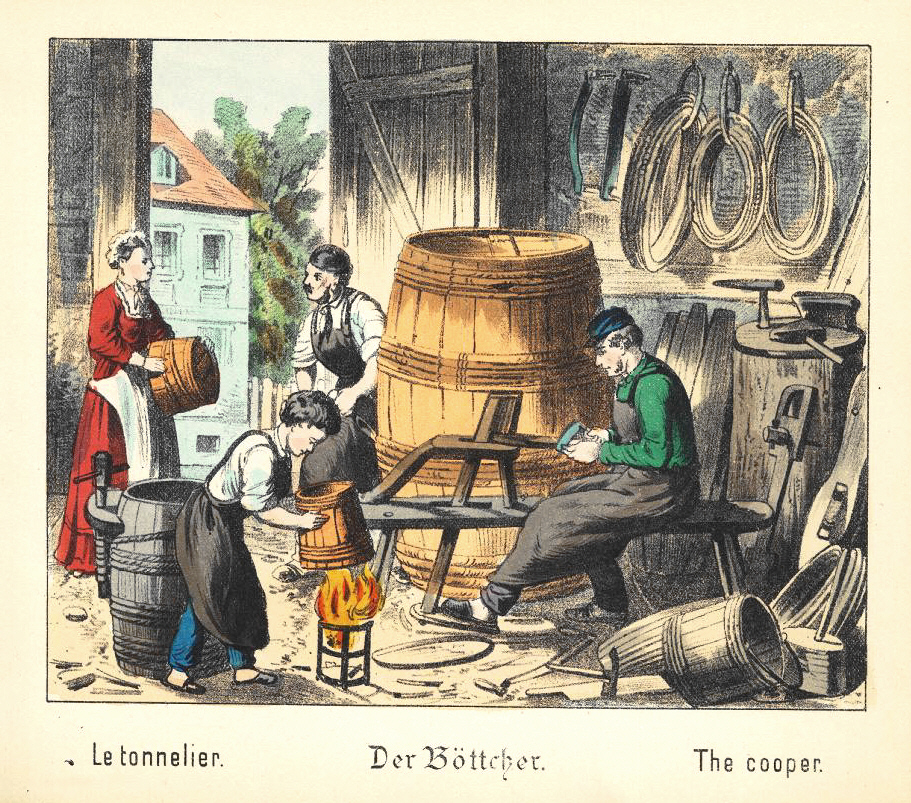
New Technologies in Old Barrels
The eruption of Artificial Intelligence technologies has created new problems for lawmakers. One of the most controversial functions of AI is the way the technologies train themselves. Currently, AI training processes hundreds of millions of datapoints publicly available on the internet. These include sites likes Wikipedia and Project Gutemberg, as well as articles, blogs, forums, and images. One consequence is that the technology may avail itself to copyrighted material during training. Thus, ownership of the new content may be called into question.
By Pablo Urioste
read more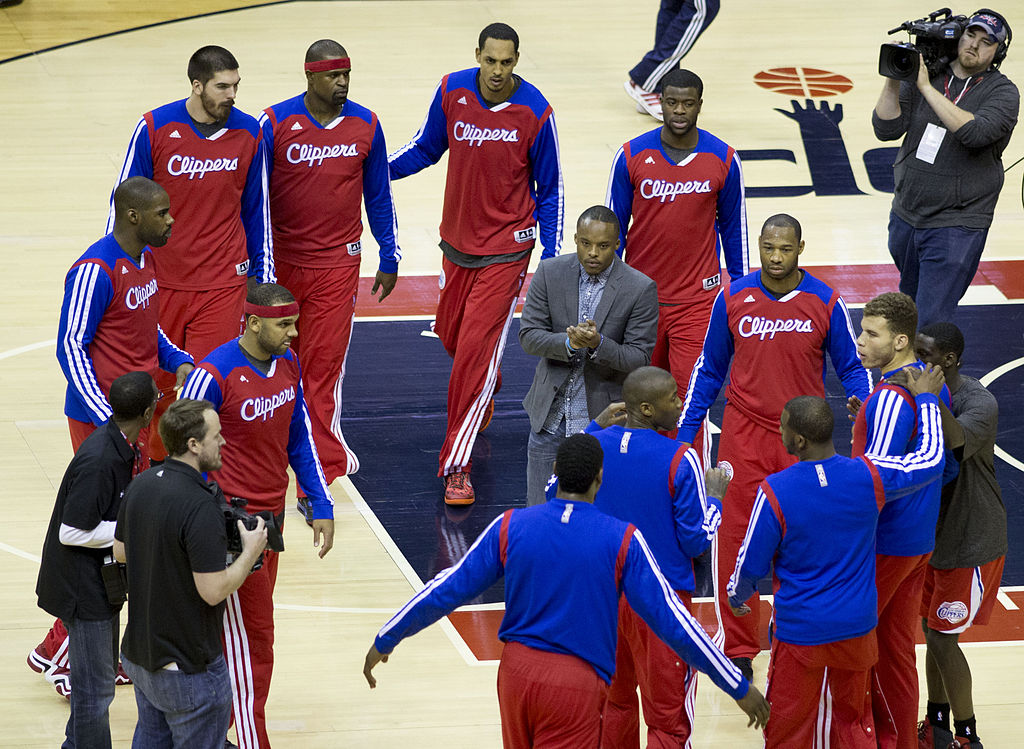
An Uncooperative Basketball Franchisee
If you were in the market for an eighteen-time NBA champion franchise, the cost will run you $6.1 billion. This was the price paid by the new ownership of the Boston Celtics in late March 2025. That astronomical price tag makes it the most expensive sale of a sports franchise in North American history, beating out the last previous sale by $500 million. But what does buying an NBA franchise actually grant the owner in terms of property rights? This paper will examine the process which NBA ownership is acquired and the rights and responsibilities conferred to the new owner. The NBA is more like a fancy New York City Co-op apartment building in more ways than one.
By Reavis Lounsbury
read more
Data Property in a Platform World
Today, before you all, and God herself, I confess, I am not a faithful reader of the terms and conditions of service. And I admit, I’ve agreed to terms and conditions without reading the extensive legal document. But who does?! Yet, every now and then, out of curiosity, guilt, and lawyerly duty, I’ll read the lengthy, smallest-type document.
By Clara Castor
read more
The Warhammer of Fair Use
Games Workshop (GW), a UK based company, is the author and owner of the Warhammer 40,000 tabletop miniature game, which is also played significantly in the United States. Each set of models, or “army unit,” comes unassembled, requiring the player to assemble and paint the models before playing. The hobby involves substantial creativity from fans; players paint the armies different colors, often use hobby materials to alter the appearance of models, or mix and match different modeling kits. Both the creative element and the cost of the hobby have created a market for selling alternative 3-D prints on third-party websites like ebay or etsy.
By Ben Kanter
read more
Taking the Internet by Law
Comcast is the largest internet provider and often the sole provider in many areas of the United States. Without competition, Comcast has postponed upgrading its internet infrastructure in these uncontested regions, leaving millions of Americans with DSL internet that is too slow for subscribers to engage meaningfully in an increasingly digital world. Along with slow internet speeds, the lack of competition has allowed Comcast to adopt predatory pricing practices, further marginalizing some of the most vulnerable communities. To address these issues, what if a city or state took ownership of Comcast’s physical infrastructure, such as cables and service equipment, and allowed other service providers to sell to their residents, fostering competition? The idea of government-run physical network infrastructure, with competitive services run atop it, is not unknown.
By Mac Richards
read more